
Keynote Speakers
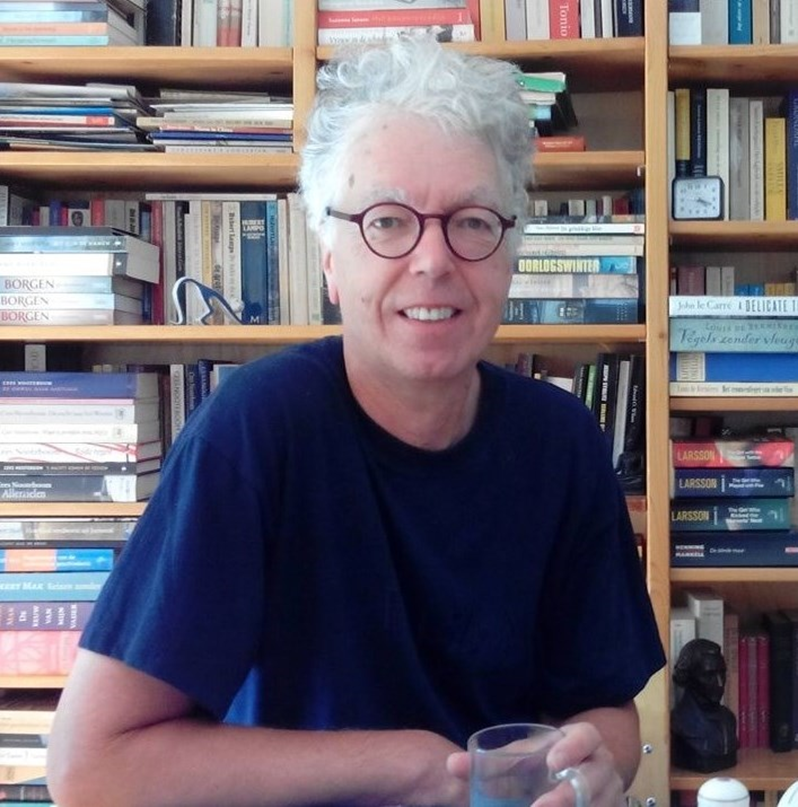
Professor Gerard I.J.M. Zwetsloot
PhD
KEYNOTE TITLE
Vision Zero: Opportunities and Challenges
ABSTRACT
Building on earlier approaches aimed at achieving zero accidents, Vision Zero represents the ambition and commitment to create and ensure safe and healthy work by preventing all serious accidents, harm and work-related diseases. This is a challenging ambition. It requires not only evidence-based approaches, but also innovation, new mental models, higher-order organisational learning and a long-term perspective. It presents several important opportunities and challenges.
The International Social Security Association (ISSA) has promoted Vision Zero globally since 2017, with the Seven Golden Rules as its foundation. The approach is simple, flexible, broadly applicable and effective in an era in which improvements in occupational safety and health are generally stagnating and psychosocial risks are increasing. Commitment among leaders and workers is a key factor, as is the development of a strong prevention culture. Further opportunities arise when design thinking complements management thinking and organisational strategies.
BIOGRAPHY
Gerard I.J.M. Zwetsloot is an independent researcher and consultant based in the Netherlands. Previously, he was a senior researcher at the Netherlands Organisation for Applied Scientific Research (TNO) and an honorary professor at Erasmus University Rotterdam (1998–2006) and the University of Nottingham (2007–2019).
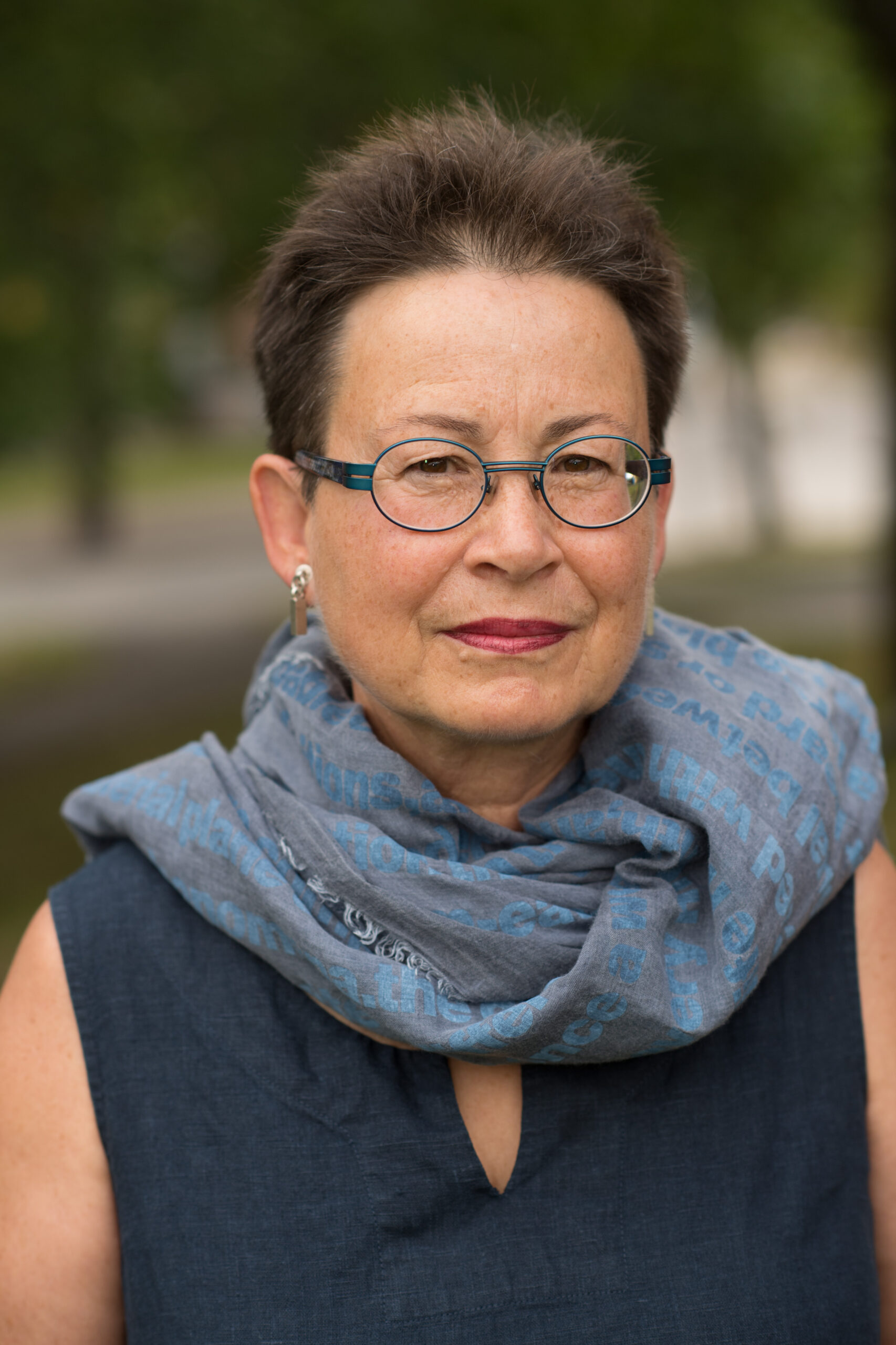
Professor Maria Albin
MD, PhD
Professor of Occupational and Environmental Medicine, Institute of Environmental Medicine, Karolinska Institute
KEYNOTE TITLE
In the pursuit of health and wellbeing
Abstract
Work and working conditions are strong determinants of health and wellbeing. In the EU work-related deaths are mainly (50%) caused by cancer, mostly from exposure to toxic substances, while work-related physical and mental workability and wellbeing are strongly impacted by employment conditions, unemployment, and work organisation. The demographic shift with an ageing and increasingly heterogenous workforce, especially in the face of climate change, challenge workplace OSH strategies and adaptations to individual needs. Developments in occupational epidemiology and toxicology including multiple exposures, multiple outcomes, and disease mechanisms, increasingly permit a more transparent and proactive approach to occupational safety and health from the workplace to the policy level. Research into implementation strategies for the current knowledge, and an extension of the European Commission’s current Strategic Research and Innovation Agenda on Health and Climate Change to include the transition to a circular and fossil free economy, are urgently needed.
BIOGRAPHY
Professor Albin, Unit of Occupational Medicine, Karolinska Institute, (https://ki.se/en/people/maria-albin#about-me) is an occupational and environmental medicine physician, with a main focus on occupational epidemiology, both based on national registries and field-studies collecting biomonitoring data.
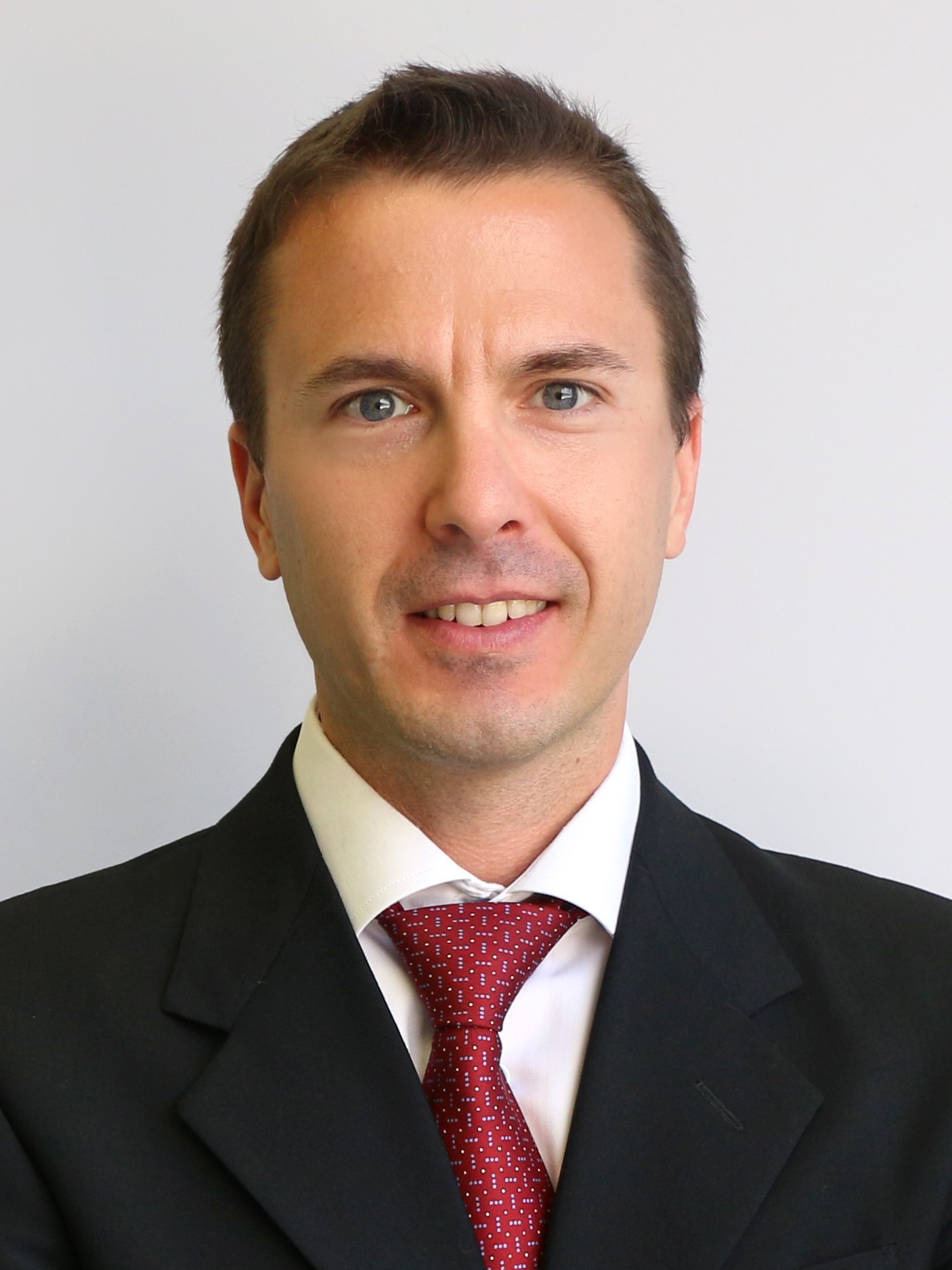
Professor Guido Micheli
Full Professor of Industrial Engineering, POLITECNICO DI MILANO
Associate Dean, POLIMI Graduate School of Management
Associate Editor – Safety Science
KEYNOTE TITLE
Emerging Risks, Digitalisation and Artificial Intelligence at Work
ABSTRACT
This keynote examines whether digitalisation and artificial intelligence reduce the risks to which workers are exposed or, conversely, multiply them, with a particular focus and perspective on emerging risks. It argues that both effects occur simultaneously, and that the determining factor lies not in the technology itself but in the manner in which it is designed, governed and deployed. Drawing on five years of research published in Safety Science and on the way in which EU-OSHA, NIOSH and the ILO frame emerging risks, the risk agenda is overall settled — digital, psychosocial and climate hazards are commonly identified — but not aligned, and governance and worker participation remain underdeveloped frontiers. The speech is then directed towards the research community itself, questioning whether it addresses society’s actual pain points, e.g., mental health, extreme heat and an ageing workforce, or predominantly the intellectually appealing ones. Finally, the speaker discusses the relevance and responsibility of working with and for policymakers, so that everything we do can ultimately result in tangible changes for workers and citizens.
BIOGRAPHY
Guido Micheli is a Full Professor of Industrial Plants Engineering and Management at the Department of Management, Economics and Industrial Engineering, Politecnico di Milano, since 2023. He also serves as Associate Dean at POLIMI Graduate School of Management
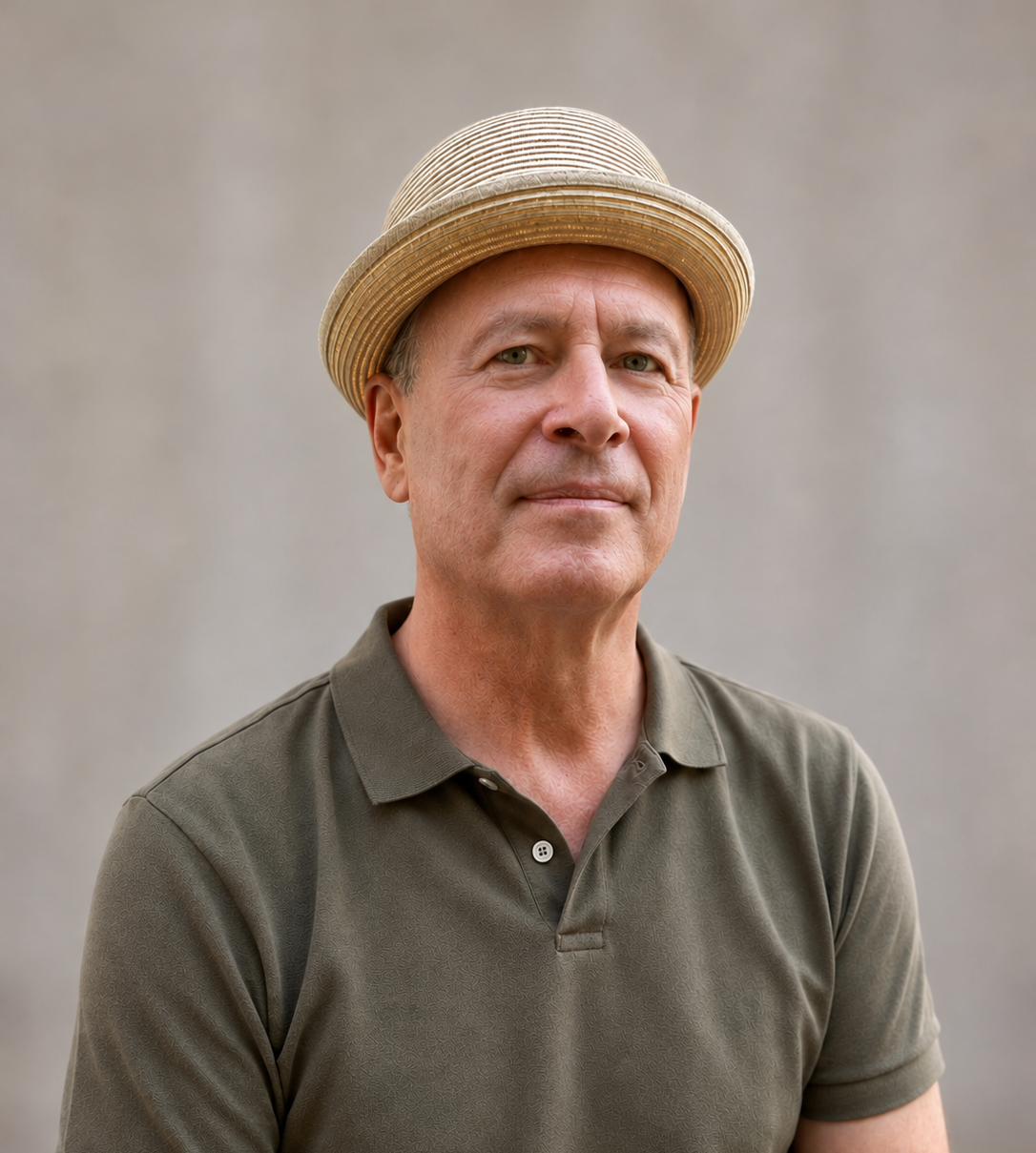
Professor Frank Guldenmund
KEYNOTE TITLE
Safety Education, Training and Research
ABSTRACT
Safety research has produced influential concepts such as Safety Culture, Resilience Engineering, Safety-II, Human and Organizational Performance, and Learning Teams. Yet organizations are often less interested in new concepts than in solutions that work. Many safety concepts are developed as ways of understanding reality, but organizations frequently adopt them as if they were methods for changing reality. This can create unrealistic expectations and superficial or unsuccessful implementation. Research should therefore not only generate new ideas, but also provide evidence of their practical effectiveness, limitations, and conditions for success. Safety education should prepare professionals to critically evaluate emerging ideas and assess their value for practice. The best safety professionals are not advocates of the newest theories. They are informed and critical translators between theory and practice, supported by research that helps organizations turn insight into demonstrable improvement.
BIOGRAPHY
Frank Guldenmund has worked in the field of safety for more than 30 years. As a psychologist, his primary focus is on understanding people working in risky industrial environments.
BIOGRAPHY
Gerard I.J.M. Zwetsloot is an independent researcher and consultant based in the Netherlands. Previously, he was a senior researcher at the Netherlands Organisation for Applied Scientific Research (TNO) and an honorary professor at Erasmus University Rotterdam (1998–2006) and the University of Nottingham (2007–2019).
He holds a BSc in Chemistry and Physics, an MSc in Chemistry from Utrecht University and a PhD in Social Sciences from Leiden University. His work focuses on innovative approaches to safety, health and wellbeing at work, as well as their relationship with business excellence and corporate social responsibility. In recent years, his work has focused primarily on Vision Zero and the development of a proactive prevention culture.
Gerard Zwetsloot is regularly involved in research and development projects for national and international organisations, as well as in strategic consultancy for major companies. He is frequently invited to speak at national and international conferences and has produced a wide range of publications. He is the co-author of two ISSA Vision Zero Guides and six scientific papers on Vision Zero.
In 2025, he published the book Vision Zero at Work: Strategies for Sustainable Excellence in Safety, Health and Wellbeing (CRC Press).
In 2019, he received the Mukaidono Safety Award, a lifetime achievement award presented by the Institute of Global Safety Promotion in Tokyo.
BIOGRAPHY
Professor Albin, Unit of Occupational Medicine, Karolinska Institute, (https://ki.se/en/people/maria-albin#about-me) is an occupational and environmental medicine physician, with a main focus on occupational epidemiology, both based on national registries and field-studies collecting biomonitoring data. Among major projects she was the principal investigator for a 10-year grant for an excellence centre joining researchers in occupational medicine and engineering at Lund university in risk assessment and prevention of occupational and environmental factors contributing to major diseases of concern for public health, and principal investigator for research programmes on Sustainable work for an ageing population, and on Exposures, health effects and governance of the new working life.
She served in the Swedish national commission on inequalities in health, and in the panel on occupational and environmental carcinogens for the recently published European Code Against Cancer 5th edition (About the European Code Against Cancer, 5th edition) and has been expert advisor to the National Board of Health and Welfare, the Public Health Agency and the Swedish Work Environment Agency. She participated in the recently concluded European project on the occupational exposome (EPHOR — EPHOR Project), and currently in the Horizon project Intercambio (About – Intercambio) which is dedicated to Climate change, worker health and the green transition with a focus on interventions.
BIOGRAPHY
Guido Micheli is a Full Professor of Industrial Plants Engineering and Management at the Department of Management, Economics and Industrial Engineering, Politecnico di Milano, since 2023. He also serves as Associate Dean at POLIMI Graduate School of Management. Within the “HumanTech” project funded by the Italian Ministry of University and Research (MUR) under the “Dipartimenti di Eccellenza” programme (2023–2027), he serves as Scientific Coordinator of the Research Line “Digital-enabled, human-centred organisational models and work systems – Person-centred digital factory model” and of the Laboratory of Cognitive Ergonomics in Cyber-Physical Systems. The laboratory investigates cognitive ergonomics in industrial and logistics environments through advanced sensors and experimental methodologies aimed at analysing human cognitive and physiological responses in the interaction with digital technologies and cyber-physical systems. He also serves as technical and strategic advisor to the Parliamentary Commission of Inquiry of the Senate of the Italian Republic on Occupational Health and Safety (since 2024), Fondazione Leadership in Health and Safety (https://fondlhs.org/osservatorio/, since 2023), and MADE Competence Center (https://www.made-cc.eu/it/, since 2022), supporting initiatives related to Occupational Health and Safety, and Ergonomics.
Guido is actively involved in multiple competitive research projects funded by the European Commission, Ministero dell’Università e della Ricerca (MUR, Italian Ministry of Education) and INAIL (Italian National Institute for Insurance against Accidents at Work), often in collaboration with multi-partner national and international consortia.
After being part of the Editorial Board for many years, Guido J.L. Micheli has been serving as Associate Editor of Safety Science since 2024.
His primary research fields are related to the design and management of socio-technical systems, including companies and supply chains, with a “risk” perspective. He is the author of more than 130 papers, including contributions published in Safety Science, International Journal of Industrial Ergonomics, International Journal of Production Research, International Journal of Production Economics, and Management Decision.
BIOGRAPHY
Frank Guldenmund has worked in the field of safety for more than 30 years. As a psychologist, his primary focus is on understanding people working in risky industrial environments. His work explores how people perceive and manage risk, how safety is shaped by organizational culture and everyday practices, and why work is often carried out differently from the way it is imagined or prescribed.
Over the years, Frank has combined academic research with a strong interest in what actually happens in the workplace. He enjoys engaging with professionals and practitioners to challenge established ideas about safety and to develop more realistic, people-centred ways of understanding and improving it.